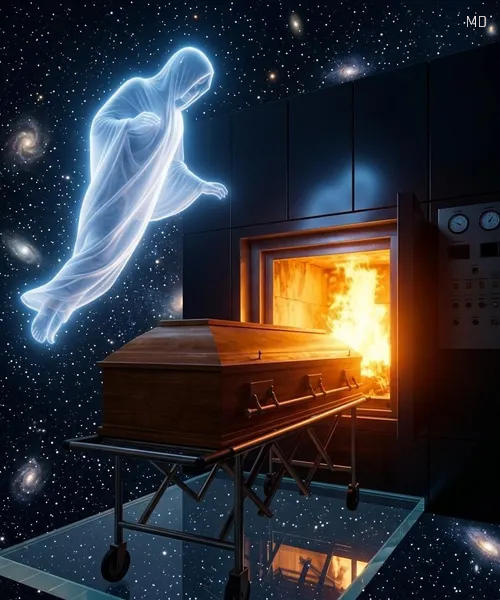
Cremation has become an increasingly common choice in many parts of the world, shaped by practical considerations, cultural changes, and personal preferences. For some people of Christian faith, however, this decision raises thoughtful questions about its spiritual meaning and whether it aligns with biblical teaching. It is natural to seek guidance in Scripture when making such important choices, especially when they touch on beliefs about life, death, and what lies beyond. Understanding this topic requires a calm and balanced approach, one that respects both tradition and the broader message of faith.
When we look closely at the Bible, we find that it does not give a direct command either for or against cremation. Instead, it includes various references to how the body was treated after death. In many biblical accounts, burial was the most common practice. For example, Abraham arranged a burial place for his wife Sarah, and Joseph expressed a desire for his remains to be carried and buried in the land of his ancestors. These examples show the customs of the time, reflecting respect and care for the deceased rather than establishing a strict rule for all generations.
Over time, burial became closely associated with Christian tradition, symbolizing rest and hope in the promise of resurrection. Even so, the core message of the Christian faith does not depend on a specific method of burial. Many theologians and believers emphasize that God’s power is not limited by physical circumstances. Whether a body returns to the earth naturally or is reduced to ashes, the belief in resurrection remains rooted in faith, not in the condition of the physical body. This understanding offers comfort to those who choose cremation for personal, financial, or environmental reasons.
Ultimately, the most meaningful focus is on honoring the life of the person who has passed and trusting in God’s enduring love and purpose. Decisions about burial or cremation can be made with respect, dignity, and thoughtful reflection, without fear of compromising one’s faith. What matters most is the spirit of remembrance, compassion for loved ones, and confidence in the promise of eternal life. By approaching this subject with understanding and grace, individuals can find peace in their choices while staying true to their beliefs.