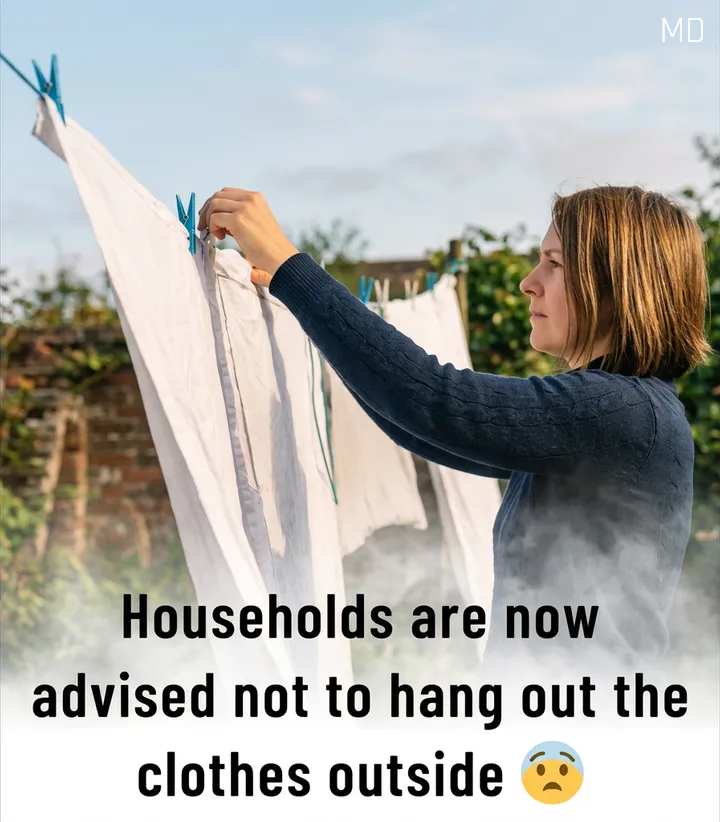
As warmer weather returns and sunny days become more frequent, many people enjoy the simple pleasure of drying laundry outdoors. Fresh air and sunlight can make clothes feel crisp and naturally fresh. However, for individuals who experience seasonal allergies, this habit may sometimes make symptoms worse. During the spring and summer months—and often continuing into early autumn—the air contains high levels of pollen from trees, grasses, and flowering plants. These tiny particles travel easily through the air and can settle on surfaces outdoors. For people who are sensitive to pollen, this can lead to familiar seasonal discomfort such as sneezing, itchy eyes, congestion, or fatigue.
One reason outdoor laundry drying can contribute to allergy symptoms is that fabrics easily collect airborne particles. Clothes, sheets, and towels hung outside may trap pollen as they dry in the breeze. When those items are later brought indoors, the pollen can spread throughout the home environment. This means that something as simple as putting on freshly dried clothing or lying on recently washed bedding could unintentionally expose someone to allergens again. For allergy sufferers who are trying to manage symptoms, reducing the amount of pollen brought inside can be an important step toward maintaining a more comfortable living space.
Health experts often recommend a few practical strategies that can help limit exposure to seasonal allergens. For example, drying laundry indoors or using a clothes dryer during periods of high pollen can reduce the chance of pollen collecting on fabrics. When spending time outside, wearing sunglasses or a hat may help protect the eyes and hair from airborne particles. After returning home, showering and changing clothes can also remove pollen that may have settled on the body or clothing during the day. In addition, avoiding areas with freshly cut grass or high plant activity can sometimes reduce the amount of pollen encountered during outdoor activities.
Although seasonal allergies cannot always be completely prevented, small daily habits can make a meaningful difference in comfort. Being mindful about where laundry is dried, as well as taking simple precautions when outdoors, can help reduce the amount of pollen that enters the home. With a few thoughtful adjustments, people who experience seasonal sensitivities can still enjoy the benefits of warmer weather, fresh air, and time outdoors while minimizing unnecessary exposure to allergens. These small changes can help make the spring and summer months more enjoyable and manageable for many individuals and families.