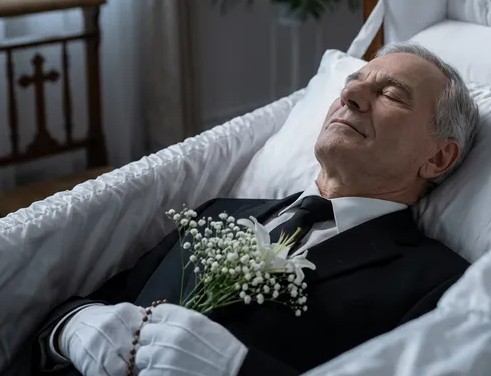
Death is one of the most emotional moments a family can face, and many cultures have developed traditions that help people navigate the experience of loss. One widely practiced custom is the tradition of staying with the body of the deceased until burial or cremation takes place. To someone unfamiliar with funeral rituals, this may seem unusual, but for many families it holds deep emotional and cultural meaning. Rather than leaving the person alone, loved ones remain nearby as a final act of care and remembrance. This practice reflects the belief that even after death, a person deserves dignity, respect, and the comforting presence of those who cared about them during life.
In many countries, this tradition takes the form of a wake or vigil. Family members, friends, and neighbors gather together for several hours, and sometimes overnight, in a quiet and respectful environment. These gatherings are common in parts of Europe, Latin America, Asia, and many other regions. During this time, people often share stories, memories, and expressions of gratitude for the life that was lived. The atmosphere is not always solemn; in some cultures, gentle conversation and remembrance create a sense of warmth and connection. The presence of others helps transform a painful moment into a shared experience of honoring someone’s life.
Another reason this tradition remains important is the emotional support it provides. Grief can feel overwhelming when experienced alone, but when people gather together, they can comfort one another through conversation, reflection, and companionship. Sitting quietly beside the departed allows loved ones to process their emotions and begin to accept the reality of loss. It also provides an opportunity for a final goodbye, something that can be deeply meaningful for those left behind. For many families, the vigil becomes a space where sadness, gratitude, and love coexist, helping people begin the healing process.
Historically, there was also a practical purpose behind these gatherings. In earlier centuries, medical knowledge and technology were limited, and confirming death was not always immediate or certain. Families would remain with the body for a period of time to ensure there were no signs of life before burial occurred. Over generations, this practical precaution gradually evolved into a cultural and symbolic ritual. Today, modern medicine has changed many aspects of end-of-life care, but the tradition of staying with the deceased continues in many communities. For countless families, the vigil remains a powerful expression of love, remembrance, and respect—an important moment that honors the life of someone who will always be remembered.