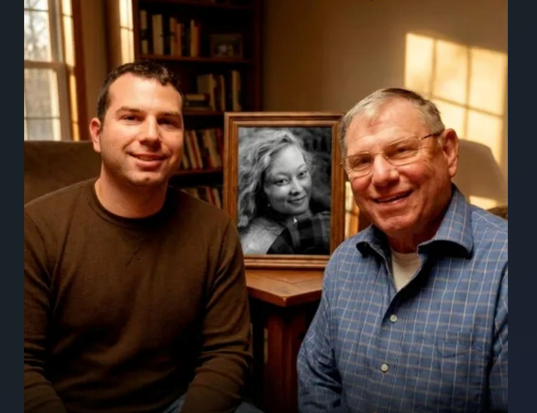
Public attention has remained firmly fixed on the death of Renee Nicole Good, an incident that has prompted ongoing demonstrations, official statements, and renewed debate about federal law enforcement practices. The ICE agent involved has been identified as Jonathan E. Ross, a decade-long veteran of U.S. Immigration and Customs Enforcement. As investigators continue their work, details about Ross’s professional background, past encounters, and personal life have surfaced, adding layers of complexity to an already emotional and divisive case. While Ross himself has not spoken publicly, his father has stepped forward to defend his son, describing him as a devoted family man and insisting the officer acted out of fear for safety. At the same time, court documents, eyewitness videos, and public records have fueled broader questions about judgment, training, and accountability.
Six months prior to the fatal encounter, Ross was involved in a separate high-risk arrest in Minnesota that left him injured after being dragged by a vehicle during an attempted apprehension. Federal records describe the incident as traumatic, requiring medical treatment and a lengthy recovery. That experience has been referenced by some officials as context for his response during the later operation. During a White House briefing, J. D. Vance publicly cited the earlier incident when defending the officer, suggesting it may have influenced his perception of danger. Critics, however, have pointed out discrepancies between public statements and court filings, underscoring why many are calling for a transparent, independent review rather than conclusions drawn too quickly.
Ross’s background has also drawn attention. He has lived in the Minneapolis area for years, purchased a home with a VA-backed loan, and appears to have prior military service. Neighbors describe him as reserved, while noting visible political expressions such as flags and bumper stickers supporting conservative candidates, including Donald Trump. Others have highlighted contrasts within his household, noting that his wife has close family ties abroad and cultural connections that complicate simplistic narratives. These details, while not determinative, have contributed to public discussion about identity, bias, and how personal beliefs intersect with official duties.
The incident itself occurred during a federal operation in Minneapolis’ Powderhorn Park neighborhood. According to the Department of Homeland Security, agents were conducting targeted enforcement when they encountered resistance. Video footage shared online shows officers surrounding a vehicle moments before shots were fired, followed by immediate distress among bystanders. Witnesses reported confusion, fear, and frustration as they attempted to understand what had happened and offer help. DHS officials have stated that the officer believed a vehicle posed an imminent threat, while community members continue to demand clearer answers and accountability. As investigations proceed, the case has become a focal point in the national conversation about the balance between public safety, federal authority, and community trust—questions that remain unresolved and deeply felt.