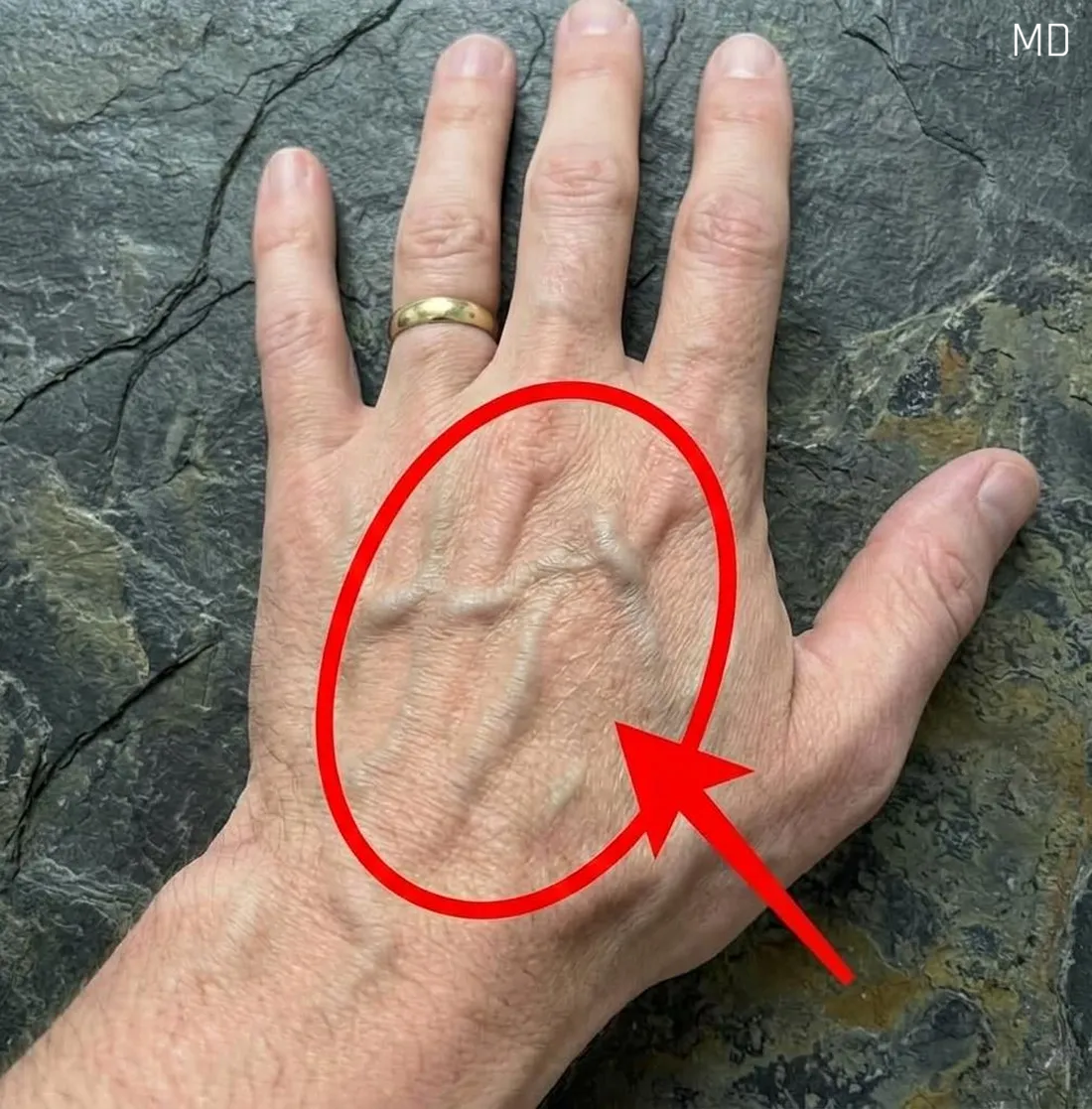
Visible veins can sometimes draw attention and lead to concerns about overall health, particularly circulation. Many people notice veins on their hands, arms, legs, or feet and wonder if this is a sign of a problem. In most cases, however, visible veins are completely normal and harmless. They are often simply a result of natural body characteristics rather than an indication of poor circulation. Understanding why veins become more noticeable can help reduce unnecessary worry and make it easier to recognize when something may actually require medical attention.
Several common factors can make veins more visible. People with lower body fat tend to have less tissue covering their veins, which allows them to show more clearly—this is especially common among active individuals. Genetics also play a role, as some people naturally have thinner or more transparent skin. Physical activity can temporarily enlarge veins due to increased blood flow, making them stand out more during or after exercise. Aging is another factor, as the skin becomes thinner and loses elasticity over time, making veins easier to see. Even body temperature can influence their appearance, since heat causes blood vessels to expand and become more noticeable.
In most situations, visible veins do not signal poor circulation. In fact, they can indicate that blood is flowing efficiently through the body. Circulation issues are usually accompanied by other symptoms, such as numbness, swelling, cold extremities, or discomfort. However, there are cases where vein changes may suggest an underlying condition. For example, varicose veins often appear enlarged, twisted, or raised and may be associated with aching or heaviness in the legs. Chronic venous insufficiency can also cause swelling, skin changes, or discomfort over time. These conditions differ from normal visible veins and may require professional evaluation.
Maintaining healthy circulation often comes down to simple daily habits. Staying active helps promote steady blood flow, while drinking enough water supports overall body function. A balanced diet that includes nutrient-rich foods—such as fruits, vegetables, and healthy fats—can also contribute to vascular health. Reducing prolonged sitting, managing stress, and avoiding harmful habits like smoking are equally important. While some natural ingredients are often discussed in relation to circulation, it is always best to approach supplements with care and consult a professional if needed. Overall, visible veins are usually just a normal variation of the body, and focusing on healthy lifestyle choices can support long-term well-being.