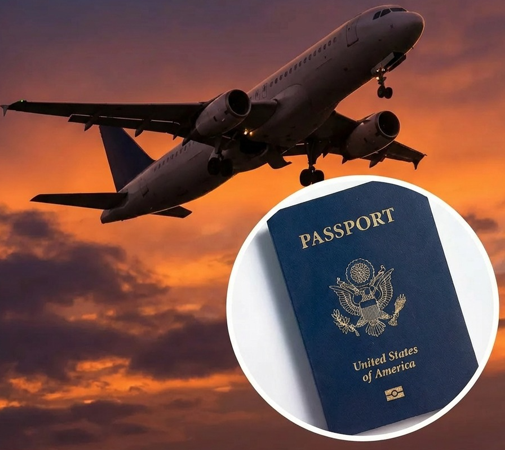
Recent policy decisions by several West African governments to limit entry for American citizens reflect a deeper shift in international relations rather than a short-term disagreement. For many years, global travel policies have often been shaped by powerful nations with little pushback from smaller states. Now, some countries in the Sahel region are signaling that they expect balanced treatment in diplomatic affairs. By grounding their actions in the principle of reciprocity, these governments emphasize fairness and equality in international mobility rather than hostility or confrontation.
Although the discussion appears centered on visas and border regulations, the real-world consequences extend far beyond government offices. Sudden travel restrictions have disrupted family reunions, postponed educational exchanges, and slowed humanitarian and development programs that rely on international cooperation. These interruptions tend to affect ordinary people most—students, aid workers, entrepreneurs, and relatives—who have no direct role in the policy decisions that triggered the changes. As a result, communities on both sides face unexpected challenges in maintaining personal, academic, and professional connections.
From the United States’ perspective, stricter travel requirements are presented as administrative measures designed to manage security, documentation standards, and compliance procedures. Meanwhile, several West African leaders describe these same rules as unequal or dismissive, reinforcing long-standing concerns about limited access to global mobility for their citizens. This difference in interpretation highlights how policy tools can carry symbolic weight, shaping national pride and perceptions of respect in international affairs. When one side sees regulation as routine management and the other views it as unfair treatment, tension naturally grows.
Recent announcements by Mali and Burkina Faso introducing bans on U.S. travelers follow earlier steps by Niger, which suspended visa issuance, and Chad, which previously enacted similar limitations. Together, these moves suggest a broader effort among Sahel states to assert diplomatic independence and redefine their relationships with major global partners. Whether these measures lead to constructive negotiation or prolonged strain will depend on future dialogue and mutual understanding. What remains clear is that the region is seeking a stronger voice in shaping how international travel and cooperation should work, marking a notable moment in evolving global partnerships.