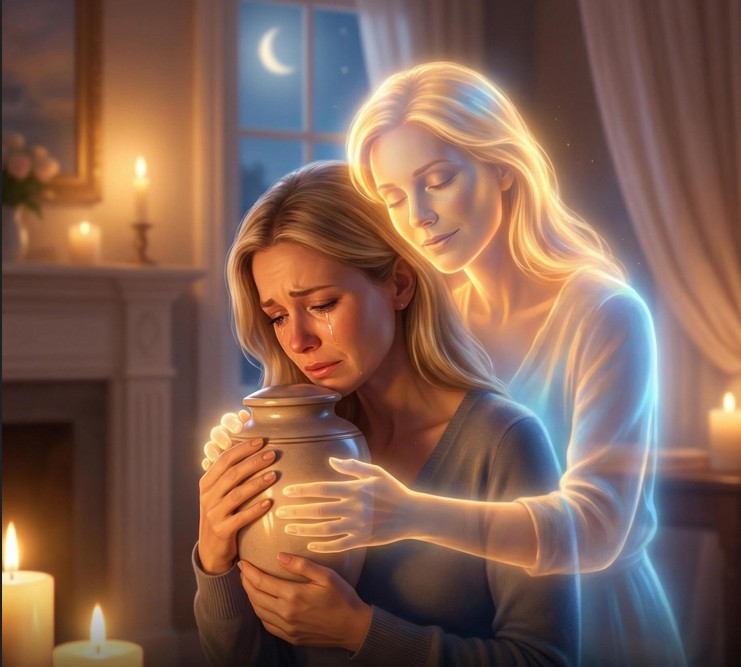
Losing someone you love is one of life’s most difficult experiences, and finding ways to feel close to them afterward is deeply personal. For many families, a memorial urn offers comfort and continuity, serving as a symbol of remembrance rather than loss alone. While emotions naturally guide these moments, it is also important to approach the handling of an urn with care, thoughtfulness, and awareness. Understanding how to hold and manage a memorial urn properly can help reduce anxiety and ensure that your loved one’s memory is treated with dignity and respect.
When handling an urn, intention and stability matter. Always use both hands and support the base rather than lifting by the lid or decorative elements. Urns are often crafted from materials such as ceramic, stone, or metal, which may be heavier or more delicate than they appear. Moving slowly and deliberately helps prevent accidental slips or damage. If emotions feel overwhelming, it is perfectly appropriate to place the urn on a stable surface and take a moment before continuing. For travel or movement outside the home, using a padded carrying case or protective container can provide added peace of mind and physical security.
It is equally important to be mindful of local customs, cultural traditions, and legal guidelines surrounding cremated remains. Regulations can vary depending on location, especially when transporting an urn or planning a memorial gathering. Some areas require permissions for scattering ashes, while others restrict where remains may be placed or stored. If traveling by air, most airlines permit cremated remains but may request specific documentation or recommend urns made from materials that can pass through security screening. Respecting religious or cultural traditions—whether related to timing, placement, or ceremonies—can bring additional meaning and reassurance during a difficult time.
Above all, a memorial urn represents a connection, not simply an object. It holds memories, shared experiences, and the lasting influence of someone who mattered deeply. Many people find comfort in taking a quiet moment while holding the urn—reflecting, remembering, or expressing gratitude internally. Others prefer to keep the urn in a dedicated space at home or choose a final resting place that feels meaningful. There is no single correct approach; what matters most is choosing what feels respectful and healing for you and your family. Grief evolves over time, and thoughtful handling of a memorial urn can support that process by honoring love, remembrance, and continuity.