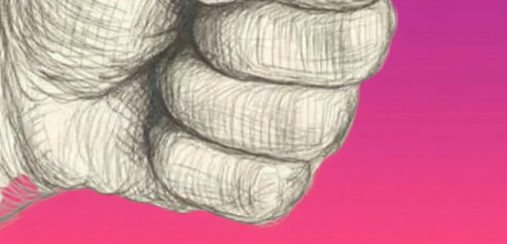
At first glance, it looks like an ordinary clenched fist. But a closer look reveals something unusual: the thumb is tucked between the fingers. This small detail changes the meaning entirely. Known in many cultures as the “fig” gesture, this simple hand sign once carried messages far beyond what words could express. It served as a quiet refusal, a playful warning, or even a protective charm, depending on the setting. Though it may seem like a minor or forgotten custom today, the gesture once played a meaningful role in everyday communication, offering people a discreet way to express disagreement or set boundaries without raising their voices or causing conflict.
In earlier centuries, especially in rural communities, people often relied on gestures to convey messages quickly and quietly. When unwanted visitors or officials arrived, residents sometimes responded not with confrontation but with subtle signals from a window or doorway. The fig gesture became a wordless way of saying “no” or signaling refusal without escalating tensions. Its strength lay in its simplicity: no shouting, no arguments, just a clear message delivered with calm confidence. In many European folk traditions, this hand sign symbolized quiet resistance, allowing people to stand their ground without open hostility. It showed that disagreement did not always require harsh words.
The gesture’s history stretches even further back, where it carried protective meanings in several cultures. In parts of Eastern Europe and Russia, people believed the fig gesture could ward off bad luck or protect against negative intentions. The closed fist symbolized hidden strength, while the tucked thumb acted as a small charm for protection. Over time, the gesture also found a place in childhood games and friendships. Many people remember being told by parents or grandparents to use it playfully when teasing friends or responding to harmless pranks. It became a small, shared code among children—more playful than aggressive—often used to lighten tense moments or settle disputes without arguments.
Today, the fig gesture has largely faded from daily life, replaced by text messages, emojis, and direct conversations. Yet for some, it remains a nostalgic reminder of childhood, family traditions, and simpler forms of communication. Occasionally, people still use it jokingly among friends or carry the memory of it as a personal symbol of resilience and humor. Its lasting lesson is subtle but meaningful: disagreements and refusals do not always need to be loud or confrontational. Sometimes, a quiet gesture—or a calm response—can say enough. In remembering traditions like this, we reconnect with ways of expressing ourselves that value humor, restraint, and mutual understanding over conflict.