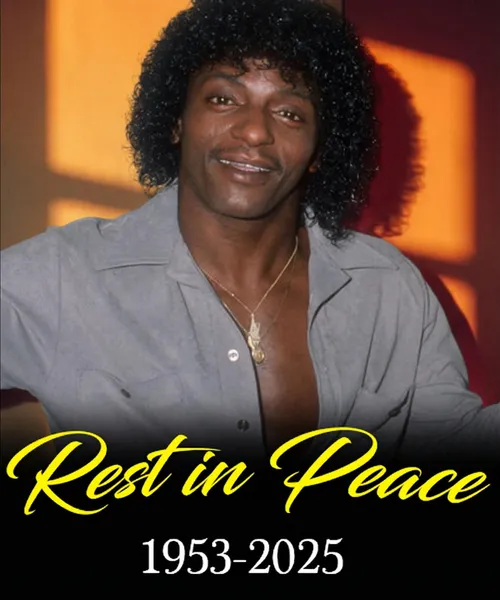
American singer and soul icon Carl Carlton has passed away at the age of 72, leaving behind a musical legacy that spans decades and genres. Best known for his joyful, uplifting sound during the disco and R&B era, Carlton brought warmth and energy to every recording and performance. His music became deeply woven into popular culture, resonating with listeners who grew up hearing his songs on the radio and continue to rediscover them today. His passing marks the end of a remarkable chapter in American soul music, but his influence remains strong through timeless recordings that still inspire new generations.
Carlton first captured widespread attention in 1974 with his acclaimed cover of Everlasting Love, a version that blended sweeping strings, emotional vocals, and dance-ready rhythm. The song climbed to No. 6 on the Billboard Hot 100, establishing him as a major force in R&B and pop. Born Carlton Hudgens in Detroit, he began performing as a child under the name “Little Carl Carlton” and signed early with a Texas-based label. While his initial singles gained limited traction in the United States, they became favorites within the Northern Soul scene in the United Kingdom, helping build a devoted international following. His vocal style, often compared to Stevie Wonder, stood out for its flexibility, sincerity, and emotional clarity.
By the late 1970s, Carlton fought to regain control of his career, eventually signing with a new label and finding renewed success. His determination paid off in 1981 with the release of She’s a Bad Mama Jama (She’s Built, She’s Stacked), which reached No. 2 on Billboard’s soul chart and became one of the defining funk anthems of the era. He followed that success with a reggae-influenced interpretation of Baby I Need Your Loving, originally made famous by Four Tops. Throughout his career, Carlton collaborated and performed alongside legendary artists including Smokey Robinson, Rick James, Teena Marie, The Commodores, and Chaka Khan, earning respect as both a performer and a peer.
In later years, Carlton recorded less frequently but remained a beloved live performer, especially in and around Detroit, where he regularly appeared at festivals and community events. He faced health challenges following a stroke in 2019 and passed away on December 14, 2025, according to Rolling Stone. His son confirmed the news in a heartfelt message shared publicly, honoring his father’s perseverance and lasting impact. While Carl Carlton may no longer be with us, his music continues to celebrate joy, rhythm, and resilience—qualities that defined both his career and his life.