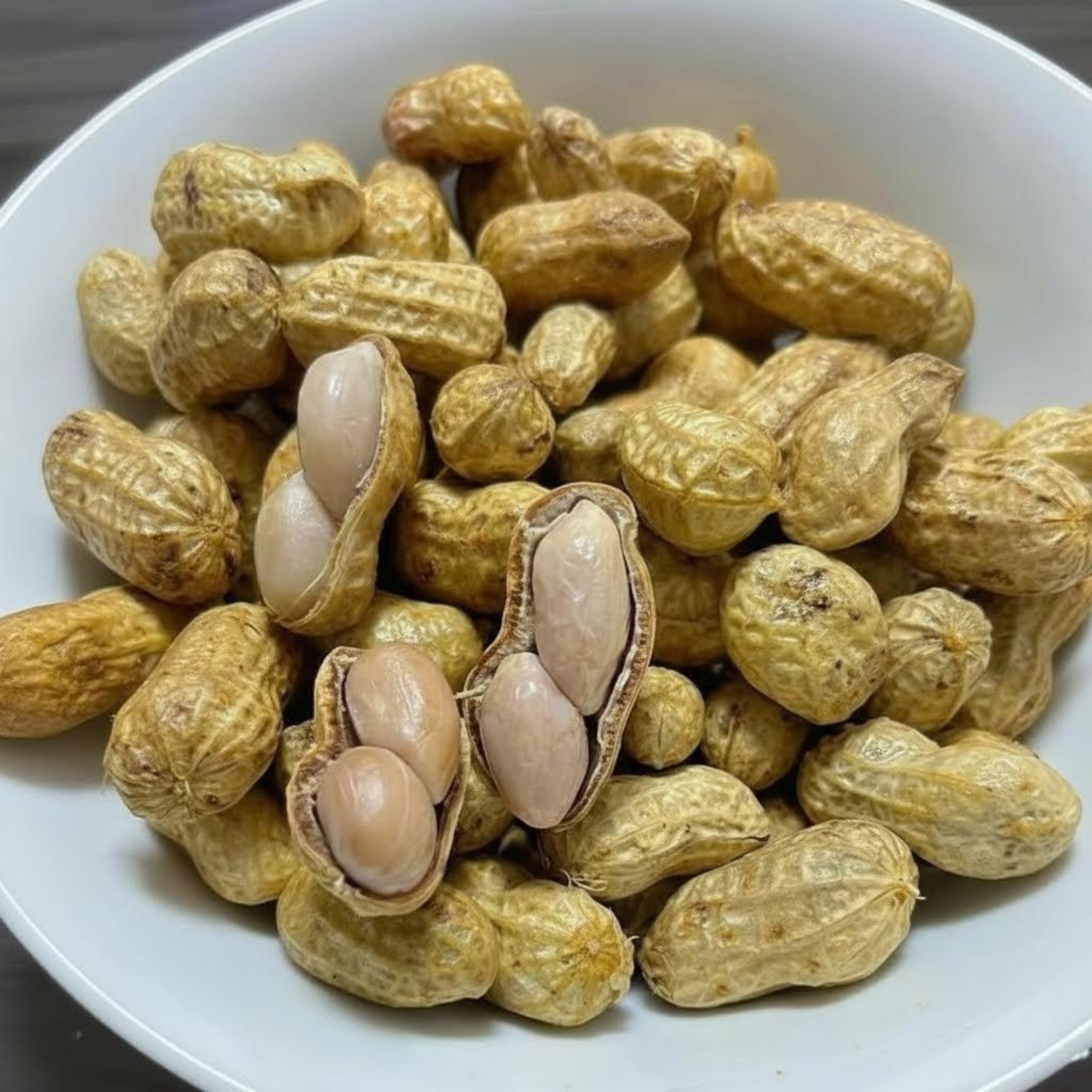
Peanuts are enjoyed worldwide for their rich flavor, affordability, and versatility in both savory and sweet recipes. In Brazil, for example, they play a starring role in treats such as paçoca, pé-de-moleque, and traditional festival desserts. Beyond their culinary appeal, peanuts also provide valuable nutrients that make them a popular addition to balanced diets. Although they offer several potential benefits, it is important to understand that individual responses to foods vary, and some people may need to consume peanuts with extra care due to allergies or digestive sensitivities. With the right approach, peanuts can be a flavorful and nutritious ingredient in everyday meals.
Nutritionally, peanuts are classified as legumes, but their nutrient density is similar to that of tree nuts. They contain plant-based protein, healthy fats, and key vitamins and minerals such as vitamin E, B-complex vitamins, calcium, phosphorus, and iron. These nutrients contribute to overall wellness by supporting energy, normal metabolic function, and cell maintenance. Peanuts are also known for compounds like lecithin and certain antioxidants, which have been studied for their potential role in heart health and satiety. While research continues to evolve, many people appreciate that peanuts can help keep them satisfied between meals, making them a convenient snack option when eaten in moderation.
For many individuals, reasonable portions of peanuts may support balanced eating habits. Because they contain protein, fat, and fiber, peanuts often help create a longer-lasting feeling of fullness, which may reduce the urge to overeat throughout the day. Some studies suggest that peanuts may contribute to more stable blood sugar levels when included as part of a balanced meal, thanks to their ability to slow the absorption of carbohydrates. Additionally, researchers have explored potential associations between peanut consumption and reduced risks of certain conditions, such as gallstones or digestive irregularities, though these findings should be viewed as general observations rather than guaranteed outcomes. It is always important to remember that peanuts affect individuals differently, and no single food can prevent or cure health issues.
While peanuts can be a beneficial addition to the diet, proper precautions help ensure safe consumption. Eating more than a moderate portion may lead to digestive discomfort due to their high calorie and fat content, so mindful serving sizes are recommended. People with peanut allergies must avoid them entirely, as reactions can be severe. Individuals with sensitive digestion, gout, or those taking medications such as blood thinners should speak with a healthcare professional before making peanuts a regular part of their diet. It is also essential to avoid peanuts that appear spoiled or moldy, as improperly stored peanuts can develop harmful compounds. When chosen carefully and enjoyed responsibly, peanuts remain a delicious and nutrient-rich food that can fit well into a balanced eating pattern.