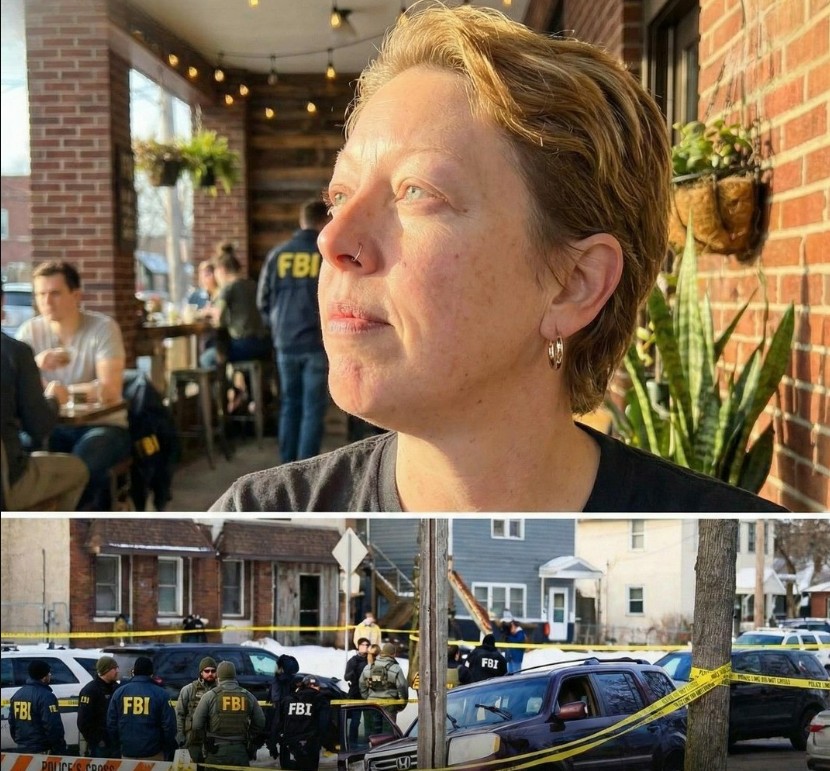
The death of Renee Nicole Good, a 37-year-old mother and longtime community member, has sparked widespread concern and calls for accountability throughout Minnesota and across the country. Good was fatally shot on the morning of January 7, 2026, during a federal law-enforcement operation in south Minneapolis. Family members say she had just dropped her six-year-old son off at school when she noticed activity connected to an Immigration and Customs Enforcement operation nearby and stopped to observe. What happened next has left her neighborhood in mourning and raised serious questions about how federal enforcement actions are carried out in residential areas where families live and children attend school.
Elected officials at the state and local level responded swiftly. Ilhan Omar said Good was acting as a legal observer, a civilian role meant to monitor government activity and promote transparency. Omar called for a full and independent investigation, emphasizing that public trust depends on clear answers and accountability when force is used. The Minneapolis City Council issued a statement expressing grief and describing Good as someone who was looking out for her neighbors. Tim Walz also addressed the incident publicly, saying he had reviewed available footage and urged that the investigative process be thorough, fair, and guided by facts rather than speculation.
Federal officials have presented a different perspective on the events. Representatives from U.S. Immigration and Customs Enforcement and the Department of Homeland Security stated that officers believed the situation posed an immediate safety risk during an active operation and that the use of force was defensive. At the same time, video footage circulating publicly has fueled debate, as viewers and analysts interpret the moments leading up to the shooting in different ways. This contrast between official statements and public reaction has reignited broader discussions about federal authority, law-enforcement decision-making, and the balance between operational security and community safety.
As investigations continue, Good’s family, friends, and neighbors are urging the public to remember her not only through the lens of the incident, but for the life she lived. They describe her as compassionate, creative, and deeply devoted to her child. Good was a poet and writer who believed strongly in care for others and community connection. Vigils and memorial gatherings have brought residents together in shared grief, many expressing concern for her young son and the long-term impact of the loss. While legal reviews and official inquiries move forward, community members say their hope is for clarity, accountability, and meaningful reflection—so that Renee Nicole Good’s legacy of kindness and shared humanity is not overshadowed by the circumstances of her death.