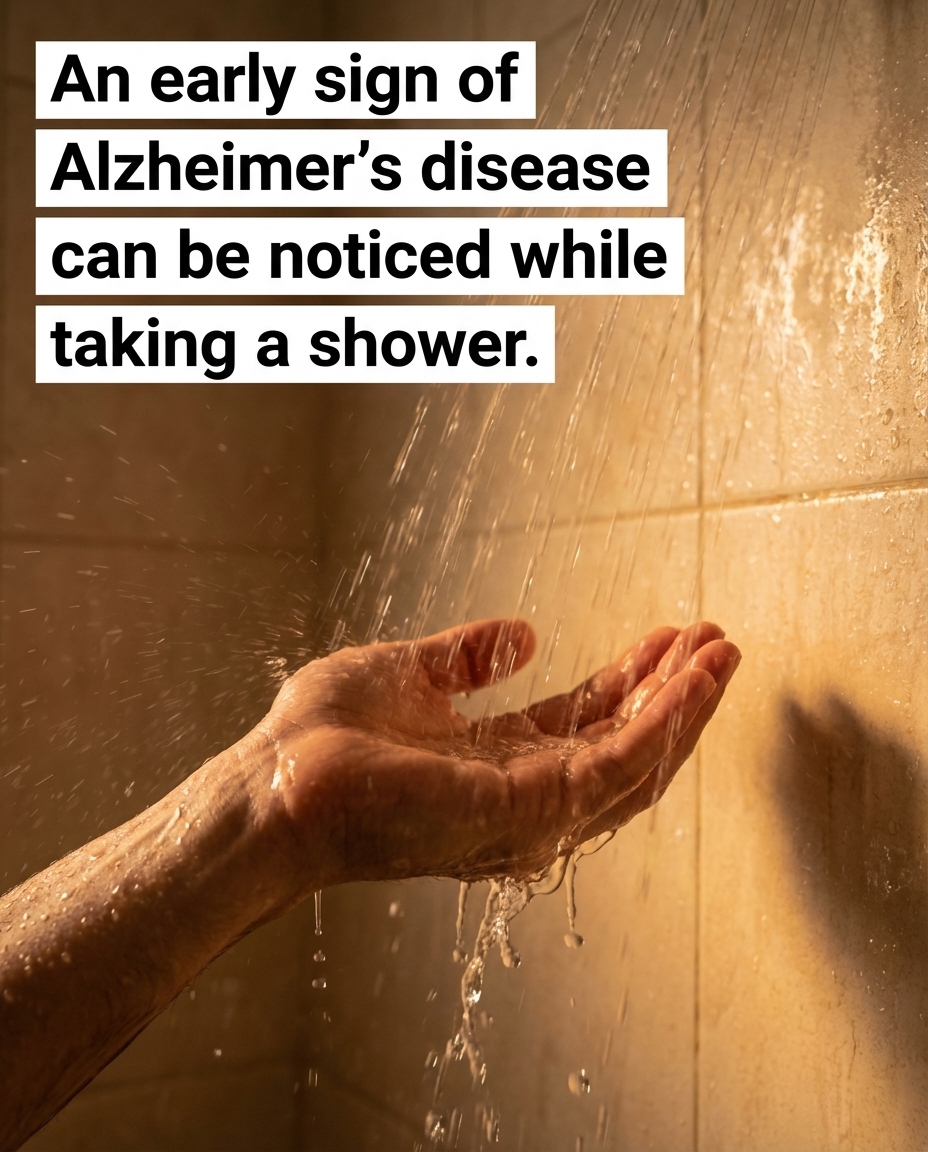
Many people enjoy the comforting scent of their favorite soap, shampoo, or shower gel without giving it much thought. However, if that familiar fragrance suddenly seems weaker or disappears altogether, it may be worth paying attention. Health researchers note that subtle changes in the sense of smell can sometimes provide early clues about changes in brain health. According to Professor Davangere Devanand, a psychiatrist and neurologist at Columbia University, difficulty recognizing familiar scents may occasionally be linked to early signs of cognitive decline. Because the sense of smell is closely connected to areas of the brain responsible for memory and emotions, small changes in how a person perceives everyday scents can appear before other noticeable symptoms.
Scientists have spent many years studying the relationship between smell and brain function. The olfactory system, which processes scents, communicates directly with important brain regions such as the hippocampus and amygdala. These areas help manage memory, emotional responses, and learning. Interestingly, these same regions are among the first to be affected in certain neurological conditions, including Alzheimer’s disease. When the brain begins to struggle with processing smell signals, people may notice that scents they once recognized easily—such as soap, coffee, perfume, or freshly cooked food—become harder to identify or feel less distinct than before.
Changes in smell are not limited to the bathroom or personal care products. Some individuals report that food aromas seem weaker, flowers or perfumes become difficult to distinguish, or multiple scents start to smell similar. It is important to remember that many common and harmless factors can also affect the sense of smell. Temporary illnesses such as colds, sinus infections, allergies, or even certain medications may reduce the ability to detect scents. In many cases, these changes improve once the underlying issue resolves. However, if the loss of smell persists without an obvious explanation, experts recommend discussing it with a healthcare professional.
Researchers continue to explore the role of smell in detecting early neurological changes. Studies from Columbia University have shown that older adults who struggle to identify common scents may face a higher likelihood of experiencing cognitive decline later on. Because of these findings, smell identification tests are being studied as a simple and non-invasive tool that may help doctors notice potential concerns earlier. Experts emphasize that a change in smell alone does not mean a serious condition is present. Still, paying attention to subtle signals from the body and seeking professional advice when something unusual persists can be an important step in supporting long-term brain health.