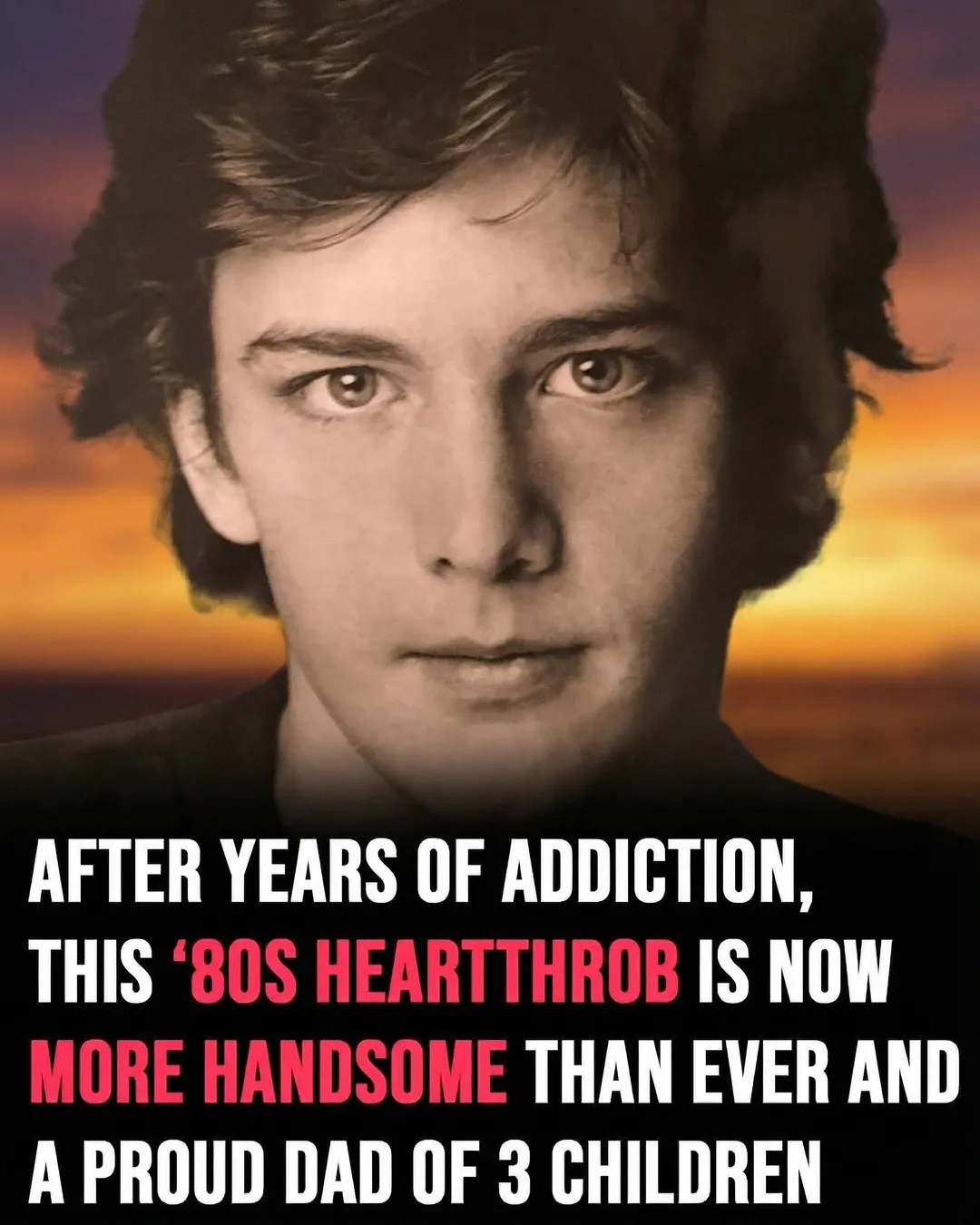
For many fans of 1980s cinema, Andrew McCarthy was more than just an actor—he was a symbol of quiet sensitivity and youthful longing. With his soft-spoken presence and thoughtful gaze, he stood apart from louder Hollywood personalities and became a defining face of a generation. Films like Pretty in Pink and St. Elmo’s Fire turned him into a household name almost overnight. Yet behind the posters and magazine covers, McCarthy’s rise to fame was anything but smooth. Thrust suddenly into the spotlight, he found himself unprepared for the pressures of success and uncomfortable with the attention that came with it, even as audiences embraced him.
Born and raised in New Jersey, McCarthy’s early life was far removed from Hollywood glamour. He discovered acting as a teenager while feeling disconnected from his peers, eventually enrolling at New York University to study the craft. That path was cut short when he struggled academically and left school, only to land his breakout role in the film Class through an open casting call. The role unexpectedly launched his career and opened doors across the industry. As the decade progressed, McCarthy became closely associated with the so-called “Brat Pack,” a label that brought fame but also stereotypes he never felt comfortable carrying. While his career flourished on screen, privately he wrestled with insecurity and turned to alcohol as a way to manage anxiety and self-doubt.
By the late 1980s, the disconnect between his public image and private reality became impossible to ignore. McCarthy recognized that his reliance on alcohol was taking a toll and made the difficult decision to step away and seek help. Recovery was not instant, but it marked a turning point that reshaped his life and career. Gradually, he moved away from leading-man roles and began exploring work behind the camera, directing episodes of popular television series such as Orange Is the New Black and Gossip Girl. This shift allowed him to stay creatively engaged while working in a way that better suited his temperament and values.
In recent years, McCarthy has reinvented himself yet again—this time as a writer and storyteller beyond film and television. He found a passion for travel writing, contributing to respected publications like National Geographic Traveler and Men’s Journal, and earning recognition for his work. Today, he balances directing, writing, and family life in New York, far removed from the intense spotlight of his youth. While fans still celebrate his iconic roles, McCarthy himself looks forward rather than back. His journey—from teen idol to thoughtful creative—stands as a powerful reminder that lasting success is not defined by early fame, but by growth, resilience, and the courage to build a meaningful second act.