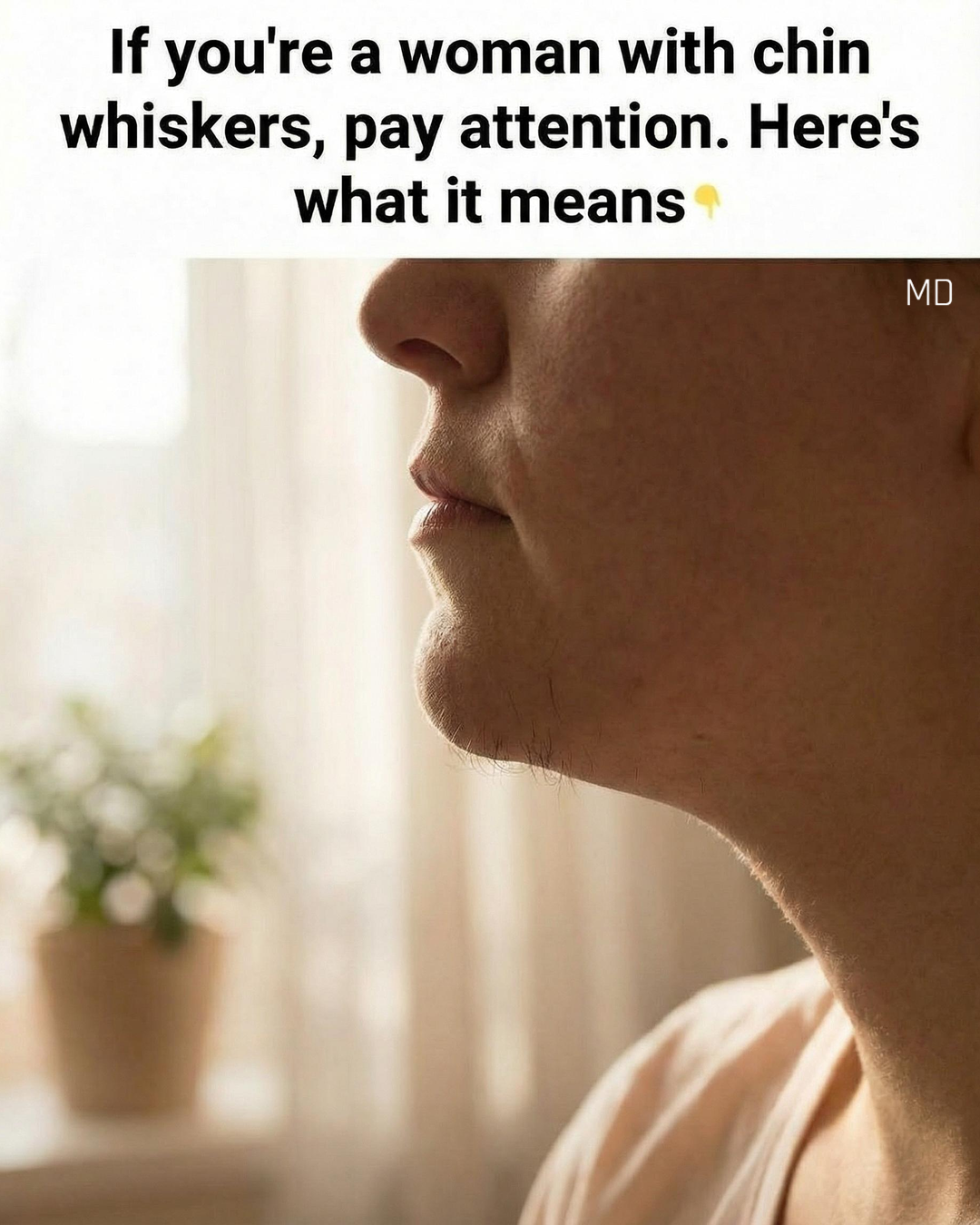
Finding a coarse hair on the chin can be surprising, but it is a very common experience for many women. Facial hair growth varies from person to person and is often influenced by genetics, age, and normal hormonal changes. In most cases, chin hair is simply a cosmetic concern and not a sign of a medical issue. However, if hair growth appears suddenly or becomes noticeably thicker, it’s understandable to want to know the reason behind it.
Hormones play a key role in hair growth. Women naturally produce small amounts of hormones that can influence hair patterns, and even minor hormonal shifts may activate hair follicles on the chin or jawline. These changes can occur during menopause, after stopping or changing birth control, or during other stages of life when hormone levels fluctuate. For many women, these shifts are a normal part of aging.
In some situations, additional symptoms such as irregular menstrual cycles, persistent acne, or unexpected weight changes may appear alongside increased facial hair. Conditions like Polycystic Ovary Syndrome (PCOS) can sometimes be associated with these signs, so consulting a healthcare professional may help determine whether further evaluation is needed. Still, a few chin hairs alone usually do not signal a medical problem.
Most women manage chin hair with simple grooming methods, including trimming, waxing, threading, or professional treatments. Hair growth patterns often change over time, and finding a comfortable routine can help maintain confidence. Understanding that chin hair is common allows women to approach the issue calmly and choose solutions that fit their lifestyle and personal preferences.