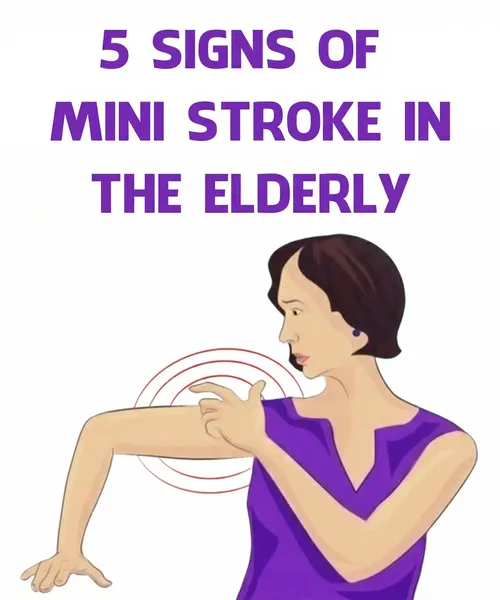
A mini-stroke, known medically as a transient ischemic attack (TIA), happens when blood flow to part of the brain is briefly reduced or blocked. In older adults, this often occurs due to narrowed arteries or a small blood clot that temporarily interrupts circulation. What makes a TIA especially dangerous is that the symptoms usually disappear quickly—sometimes within minutes—leading many people to dismiss the episode as simple fatigue, dizziness, or a normal part of aging. However, a mini-stroke is never harmless. It is a serious warning sign that the brain’s blood supply is under threat. Much like a warning light on a car’s dashboard, the symptom may fade, but the underlying problem remains. Recognizing a TIA as a medical emergency can make the difference between prevention and a devastating future stroke.
The symptoms of a mini-stroke can appear suddenly and vary from obvious to subtle. A common sign is weakness or numbness on one side of the body, such as a drooping face or difficulty lifting an arm or leg. Speech problems are also frequent; a person may struggle to find words, speak clearly, or understand simple sentences. Vision changes can occur, including blurred sight or a shadow appearing in one eye. Some people experience sudden dizziness, loss of balance, or a severe headache with no clear cause. Because these symptoms often disappear quickly, many individuals delay seeking care. However, any sudden neurological change should be treated seriously. Quick action can protect the brain from permanent damage and reduce the risk of future complications.
Several factors increase the likelihood of having a mini-stroke. Age plays a major role, but medical conditions such as high blood pressure, diabetes, and high cholesterol significantly raise the risk. These issues can damage blood vessels over time, making blockages more likely. Lifestyle habits like smoking, physical inactivity, and unhealthy eating also contribute to poor circulation. A TIA is often described as the body’s early alarm system. Studies show that many people who experience a mini-stroke go on to have a full stroke within days or weeks if no medical treatment is started. This is why immediate medical evaluation is essential, even if the person feels normal afterward. Early care focuses on identifying the cause and reducing the chance of a more serious event.
At the hospital, doctors may perform imaging scans, heart tests, and blood work to determine what triggered the episode. Treatment typically includes medications that help prevent clots and control blood pressure or cholesterol. Recovery also involves long-term prevention strategies. Quitting smoking, staying physically active, managing stress, and choosing a balanced diet can all strengthen heart and brain health. While lifestyle changes may feel challenging, they are far easier than coping with the lasting effects of a major stroke. The key message is simple: sudden neurological symptoms should never be ignored. Acting quickly when a mini-stroke occurs can protect independence, preserve quality of life, and potentially save lives.