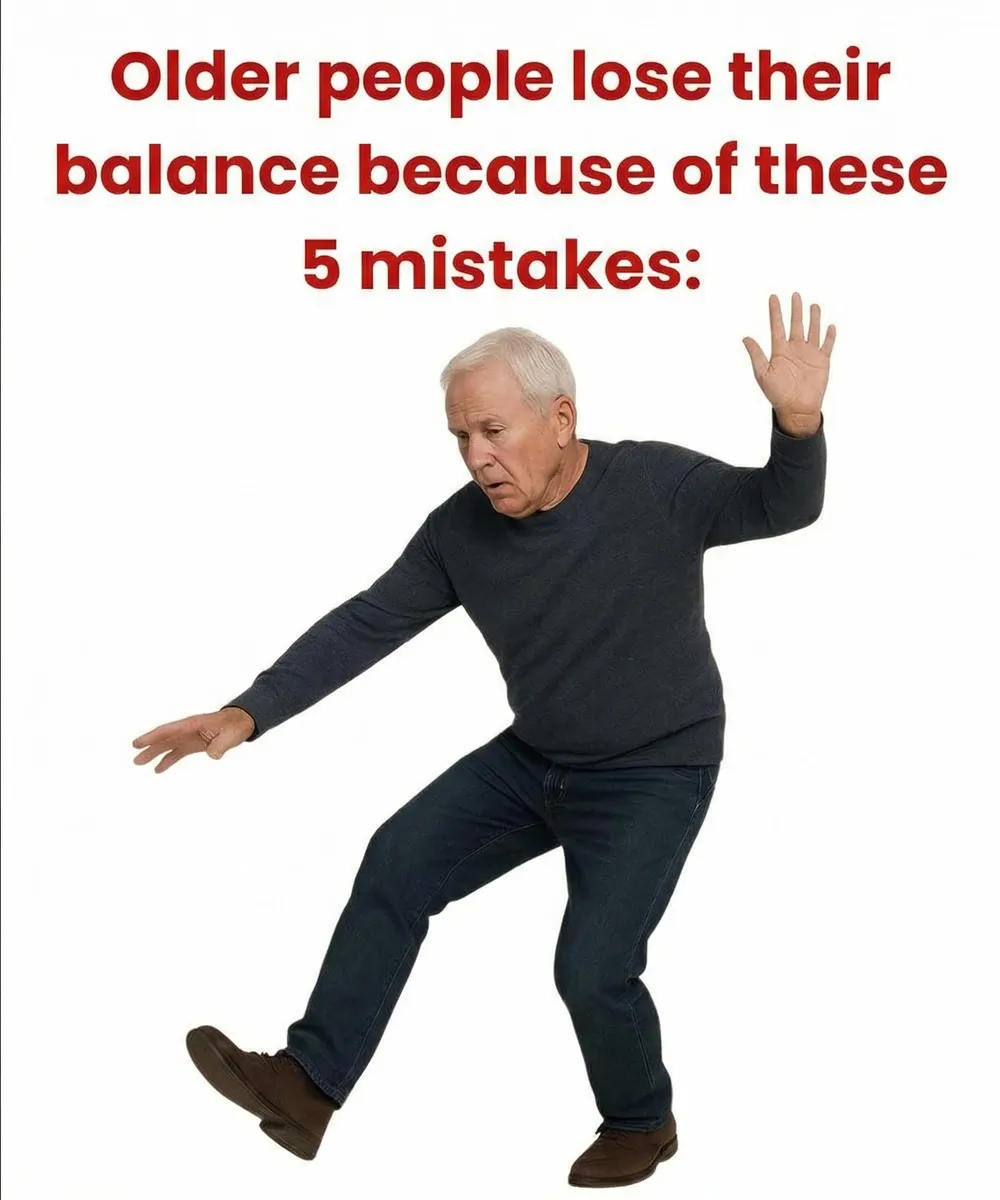
Losing balance, feeling unsteady on your feet, or worrying about falling often happens so gradually that many people accept it as a normal part of aging. However, balance problems are not always unavoidable. In many cases, they develop from small daily habits that slowly affect strength, coordination, and confidence. The positive news is that simple lifestyle adjustments can make a real difference. By paying attention to movement, nutrition, surroundings, and sensory health, it’s possible to support stability and reduce the risk of falls over time.One of the most common contributors to balance difficulties is a lack of regular movement. Sitting for long periods or avoiding physical activity weakens muscles in the legs, core, and back — all essential for staying steady. Fortunately, improving strength and coordination doesn’t require intense workouts.
Daily walks, gentle stretching, light strength exercises, yoga, or tai chi can help restore muscle function and improve body awareness. Starting slowly and increasing activity gradually keeps the body safe while building confidence. Proper footwear also plays an important role.Shoes with poor support, slippery soles, or loose fits can make walking less secure. Choosing well-fitted shoes with stable heels and non-slip soles helps create a firm foundation for every step, indoors and outdoors.Nutrition and hydration are equally important but often overlooked. Dehydration, low energy levels, or poor nutrition can lead to dizziness, weakness, or fatigue, which may affect balance. Drinking enough water throughout the day supports circulation and muscle function. Eating balanced meals with fruits, vegetables, whole grains, and protein helps maintain strength and stamina. For those with dietary concerns or health conditions, guidance from a healthcare professional can provide personalized support.
Alongside nutrition, maintaining vision and hearing health is essential. The brain relies on sight and sound to understand body position and movement. Regular eye and hearing checkups, and using glasses or hearing aids when needed, can significantly improve confidence in daily mobility.Finally, creating a safe home environment greatly reduces fall risks. Common household hazards such as loose rugs, cluttered pathways, poor lighting, or unstable furniture can increase the chance of tripping. Simple adjustments like securing rugs, improving lighting, installing grab bars in bathrooms, and keeping walkways clear can make the home noticeably safer. Focusing on frequently used areas first brings immediate benefits.
Together, these small changes build a supportive environment that encourages independence rather than fear of movement.Caring for balance is not about drastic transformations but steady, thoughtful improvements. By staying active, wearing supportive footwear, eating well, staying hydrated, keeping the home safe, and maintaining vision and hearing health, anyone can strengthen stability and confidence. With consistent effort, it becomes possible to move through daily life more securely — one step at a time.