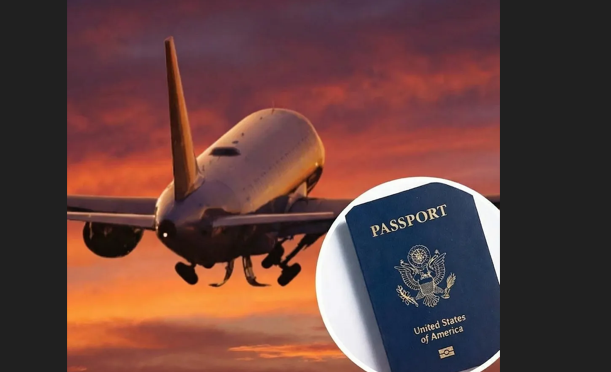
Recent diplomatic decisions in parts of West Africa regarding entry requirements for American citizens reflect more than short-term administrative changes. They illustrate a broader debate over fairness and reciprocity in international travel policies. In particular, the government of Niger publicly suspended visa issuance for U.S. citizens, stating that the move was a response to restrictions imposed on Nigerien officials by the United States following political developments in the country. Officials framed the decision as reciprocal rather than punitive, emphasizing equal treatment in diplomatic relations rather than confrontation.
Elsewhere in the Sahel, travel conditions for foreign nationals, including Americans, have become more complex but not uniformly prohibited. In Mali and Burkina Faso, visa processes and entry requirements have faced delays and increased scrutiny amid security concerns and strained relations with Western governments. While there have been reports of heightened restrictions and procedural hurdles, these countries have not formally announced permanent or universal bans on U.S. citizens. Instead, entry decisions are often assessed on a case-by-case basis, influenced by evolving security and diplomatic conditions.
From the perspective of the United States, adjustments to visa policies are typically described as administrative measures linked to security standards, governance concerns, and compliance with international norms. Officials in Washington have consistently stated that such policies are not intended to target civilian populations. However, leaders in parts of West Africa have expressed frustration, arguing that mobility restrictions disproportionately affect their citizens and reinforce perceptions of unequal treatment in global travel systems. These differing interpretations highlight how policy decisions can be viewed very differently depending on historical experience and political context.
The real-world consequences of these diplomatic disagreements extend beyond government offices. Families, researchers, aid workers, and students have encountered delays and uncertainty as rules change with little notice. Humanitarian and development initiatives have also faced logistical challenges, particularly in regions where international cooperation plays a vital role. Earlier, Chad temporarily adjusted visa access for some Western nationals before later revising its approach, demonstrating that such measures are not always permanent. Together, these developments suggest a period of recalibration rather than outright disengagement. Rebuilding trust will likely depend on sustained dialogue, transparency, and a shared commitment to balancing national sovereignty with international cooperation.