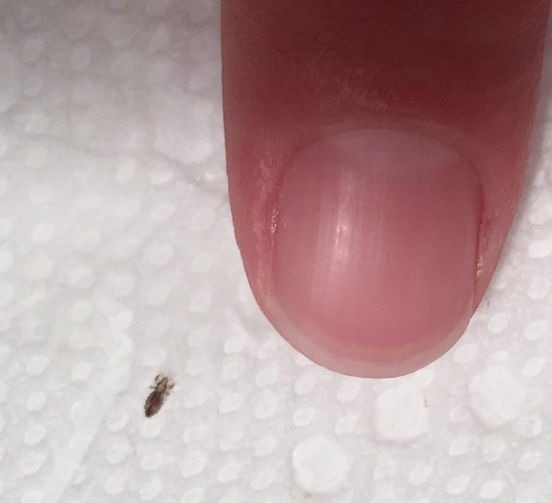
Discovering head lice can be stressful for any family, especially when itching and discomfort disrupt daily routines. These tiny insects are common among children, particularly in school or childcare settings where close contact is frequent. While lice can spread easily through shared hats, brushes, or head-to-head contact, they are not a sign of poor hygiene and can affect anyone. Understanding how lice behave and how to address them calmly can make the experience far more manageable and help restore comfort to your household more quickly.
Head lice are very small, wingless insects that live on the scalp and feed on tiny amounts of blood. They attach their eggs, known as nits, close to the scalp where warmth helps them develop. Nits can be especially challenging to remove because they cling firmly to hair strands. Although lice do not carry diseases, their bites can cause persistent itching and irritation, which may lead to scratching and discomfort. Lice cannot jump or fly, but they crawl quickly, making direct contact the most common way they spread. Off the scalp, they typically survive for only a short time, which is why focused treatment is more effective than excessive cleaning.
Treating lice usually begins with a specially formulated shampoo or lotion designed to eliminate live insects. It is important to follow the product instructions closely, using the correct amount and leaving it on for the recommended time. While these treatments are effective at killing lice, they do not always remove nits. For this reason, careful combing is a critical step. Using a fine-toothed nit comb on damp hair, work slowly through small sections from the scalp outward. Wipe the comb frequently to remove any lice or eggs and continue until the entire head has been thoroughly checked. This process requires patience but greatly improves the chances of success.
Follow-up care is just as important as the initial treatment. Repeating the process after about a week helps catch any lice that may have hatched since the first application. At the same time, take simple steps to clean items that come into close contact with the head, such as pillowcases, hats, and hair accessories. Washing these items in warm water or setting aside non-washable items for a short period is usually sufficient. Regular scalp checks, teaching children not to share personal items, and staying informed about lice prevention can reduce the chance of future outbreaks. With a calm approach and consistent care, head lice can be resolved effectively, allowing your family to return to normal routines with confidence.