For many people, the word “colonoscopy” alone can spark anxiety. It is often associated with embarrassment, discomfort, or frightening stories shared secondhand. As a result, some individuals delay or completely avoid the procedure, even when it has been recommended by a healthcare professional. In reality, much of this fear is rooted in misunderstanding rather than experience. A colonoscopy is a routine medical examination designed to protect long-term health, and it is far less distressing than many imagine. Doctors do not suggest it casually; it is typically recommended because it can help identify potential issues early, when they are most manageable.
One of the most helpful steps a patient can take before feeling overwhelmed is to ask a simple but important question: why is this test being recommended? Understanding what a doctor is looking for—whether it’s investigating symptoms, following up on test results, or conducting preventive screening—can significantly reduce uncertainty. Patients have every right to know the reasoning behind any medical recommendation. Clear communication helps turn fear into informed decision-making and allows individuals to feel more in control of their healthcare choices rather than apprehensive about the unknown.
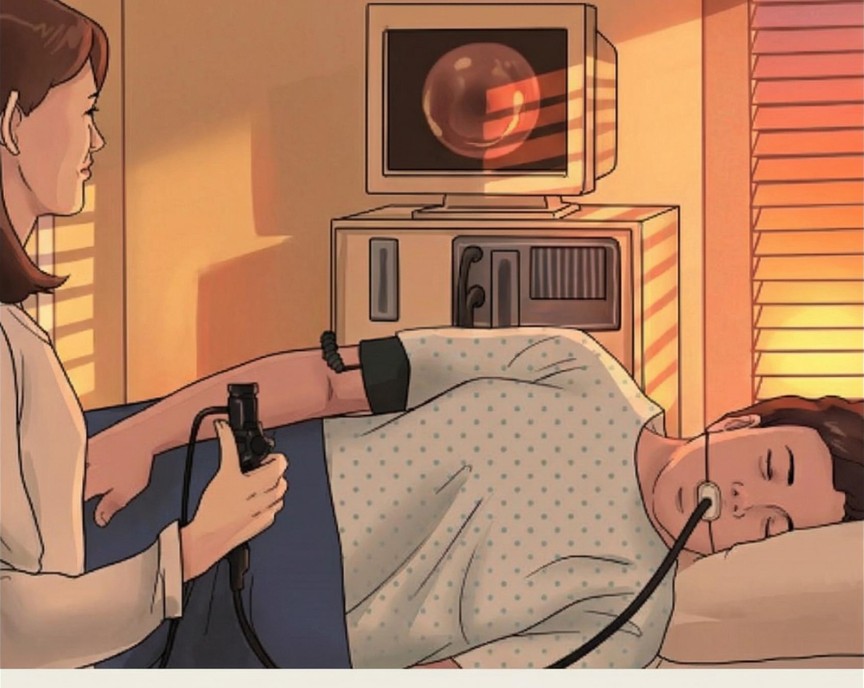
A colonoscopy is a diagnostic procedure used to examine the large intestine, also known as the colon. During the test, a thin, flexible tube equipped with a small camera is gently guided through the bowel so the doctor can view the lining and identify any abnormalities. The procedure is commonly used to screen for conditions such as inflammation, polyps, or colorectal cancer. Most patients are given medication that helps them remain relaxed and comfortable, and many remember little to nothing about the procedure afterward. The examination itself usually lasts less than an hour, and recovery time is typically brief.
Much of the concern surrounding colonoscopies comes from outdated information or exaggerated accounts. While preparation beforehand can be inconvenient, the procedure itself is generally not painful and is widely considered safe. Timing also plays an important role. Regular screening, particularly for individuals over a certain age or those with specific risk factors, can detect issues before they become serious. In this way, a colonoscopy is less about reacting to illness and more about prevention. When viewed through that lens, it becomes a proactive step toward maintaining health rather than something to fear. Asking questions, understanding the purpose, and focusing on long-term well-being can make the experience far less intimidating—and potentially life-saving.