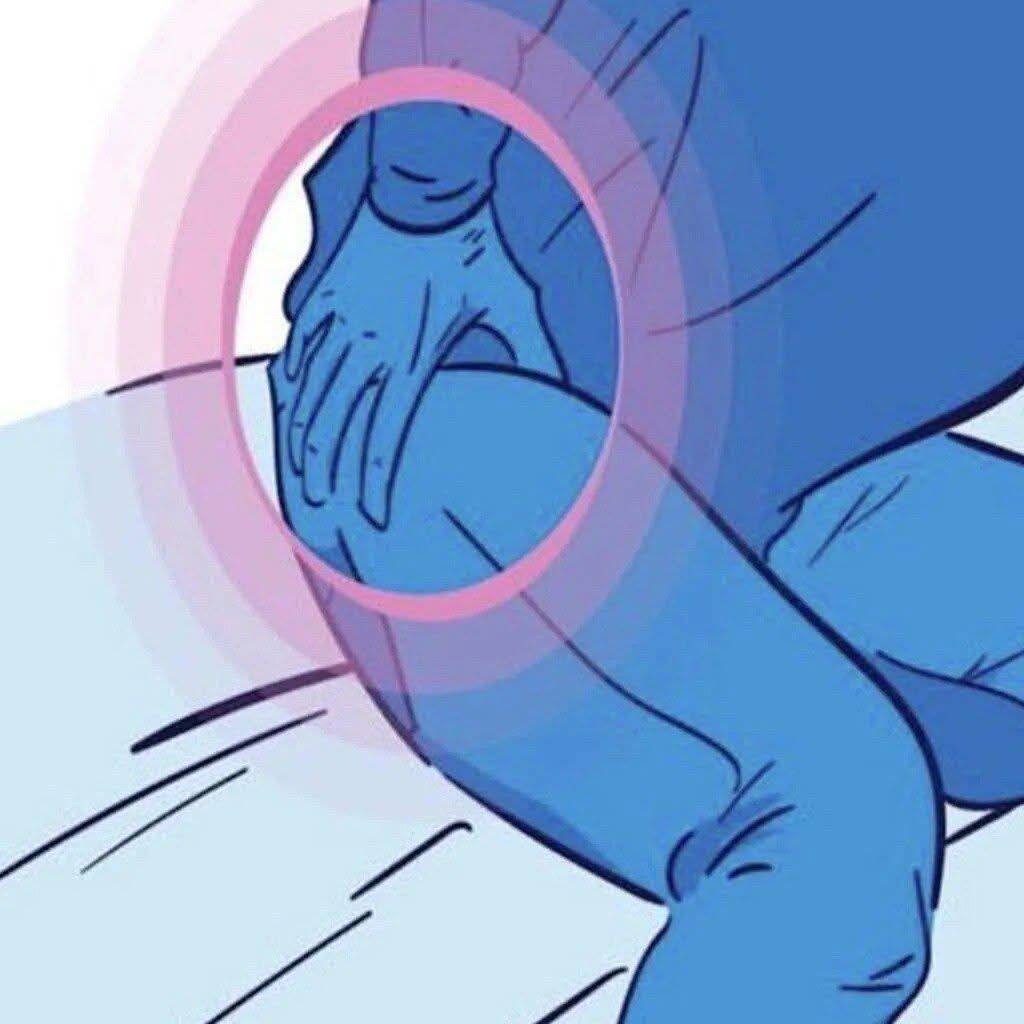
When a hip joint begins to make noticeable sounds such as clicking, popping, or grinding, it’s common to assume the issue is minor or temporary. In many cases, these sensations may be harmless, especially if they occur occasionally and without discomfort. However, the hip is one of the body’s primary weight-bearing joints, responsible for supporting movement, balance, and posture throughout the day. When unusual sensations happen frequently, they can signal that the joint is not moving as smoothly as it should. Over time, increased friction or uneven motion may place added stress on surrounding tissues, affecting comfort and flexibility.
Ongoing changes in hip movement deserve attention, particularly when they are paired with stiffness, reduced range of motion, or lingering discomfort. Hip-related issues are not limited to any specific age group. They can develop from a variety of factors, including previous injuries, repetitive physical tasks, prolonged sitting, or activities that place repeated strain on the joint. In some cases, muscle imbalances or reduced joint stability may also contribute to altered movement patterns. Healthcare professionals can assess these concerns through physical examinations and, when appropriate, imaging tools to gain a clearer understanding of joint health.
Addressing potential issues early often makes it easier to manage symptoms and support long-term comfort. Everyday habits play a significant role in how the hips function over time. Body weight influences the amount of pressure the joint must absorb, while posture and movement patterns can either reduce or increase stress. Wearing supportive footwear, adjusting sitting positions, and avoiding long periods of inactivity may help maintain healthier joint mechanics. Even small changes, such as standing up regularly during sedentary routines or being mindful of how the body moves during daily tasks, can make a meaningful difference.
Staying active remains an important part of maintaining hip health, even when mild discomfort is present. Low-impact activities like walking, swimming, or cycling can help preserve mobility without placing excessive strain on the joint. Strengthening the muscles that support the hips, including the core and upper legs, may also improve stability and balance. Gentle stretching can aid flexibility and reduce tension. By paying attention to early signals and making informed adjustments, individuals can support long-term hip comfort and confidence in everyday movement, helping them stay active and comfortable over time.