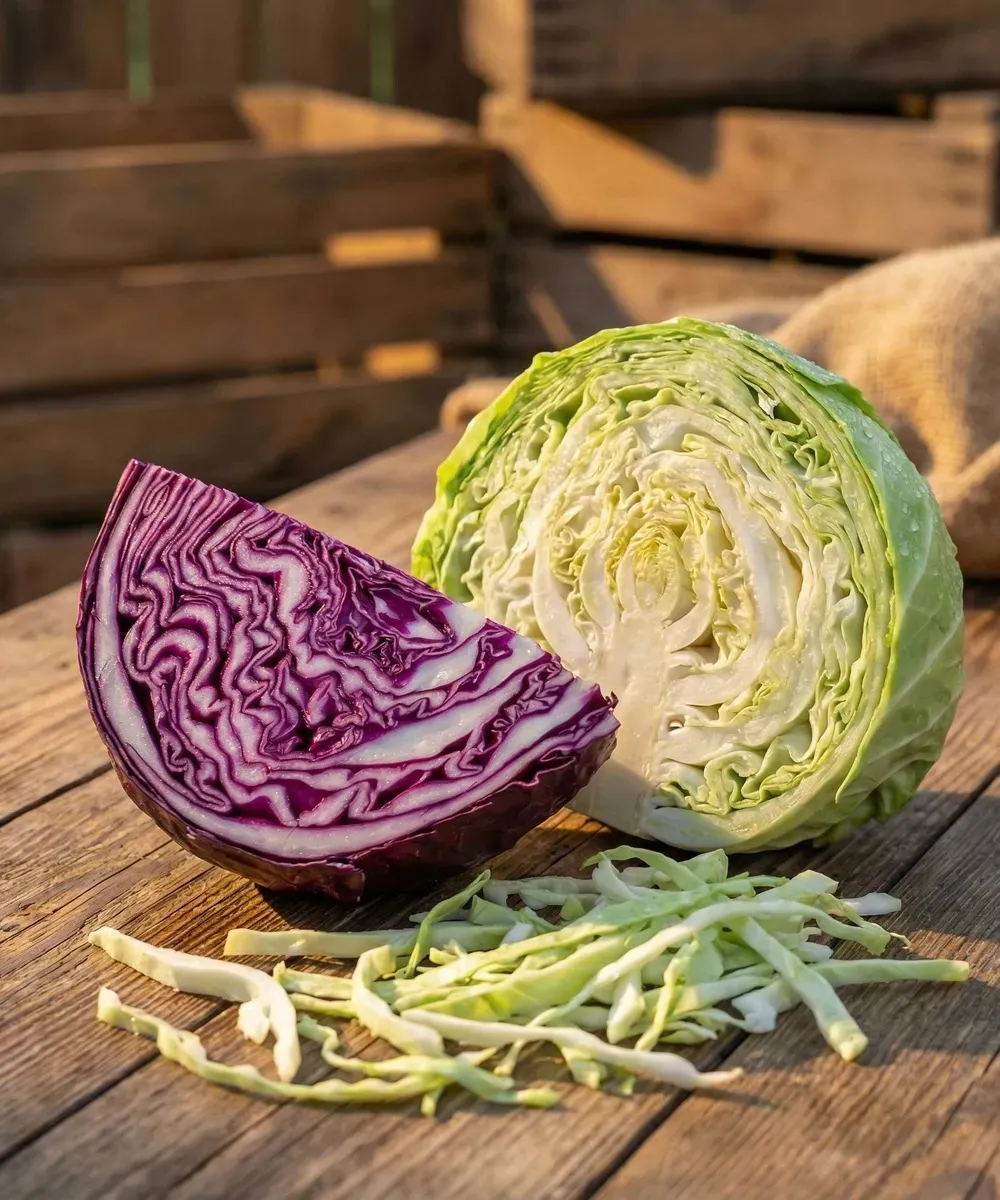
Cabbage is widely appreciated as a nutritious and affordable vegetable that appears in many traditional and modern dishes. It is naturally rich in vitamin C, vitamin K, dietary fiber, and plant-based antioxidants, all of which can support general wellness when consumed as part of a balanced diet. For most people, cabbage is a healthy addition to meals and can contribute to digestive health and overall nutrition. However, like many foods, cabbage may not be suitable for everyone in large amounts, especially when eaten frequently or prepared in certain ways.
Some individuals may notice discomfort or health-related concerns if cabbage is consumed without moderation. For example, large or inconsistent intake may worsen acid-related stomach discomfort in sensitive people. In others, certain natural compounds in cabbage may interact with specific medical conditions or medications. These effects do not mean cabbage is harmful, but they do highlight the importance of mindful consumption, particularly for people with underlying health conditions. Adjusting portion size, cooking methods, and meal timing can often reduce unwanted effects.
People who take blood-thinning medications, such as warfarin, are often advised to pay attention to foods high in vitamin K, including cabbage. Vitamin K plays a role in normal blood clotting, and sudden changes in intake may affect how these medications work. The key is consistency rather than avoidance. Similarly, individuals with a history of calcium-based kidney stones may want to limit frequent servings, as cabbage contains naturally occurring oxalates. Staying well hydrated and maintaining a varied diet can help reduce potential concerns. Those with thyroid conditions may also benefit from cooking cabbage thoroughly and avoiding large raw portions, as cooking helps reduce compounds that may interfere with iodine use in the body.
Cabbage can also cause digestive discomfort for people who are sensitive to fermentable carbohydrates, including those with irritable bowel symptoms. In such cases, raw or pickled cabbage may contribute to bloating or abdominal discomfort, while smaller portions of well-cooked cabbage are often easier to tolerate. For the general population, enjoying cabbage three to four times per week is usually considered reasonable. Cooking methods such as boiling, steaming, or light stir-frying can improve digestibility, and pairing cabbage with ingredients like ginger or garlic may further support comfort. As with any dietary choice, individuals with specific health concerns should consider seeking personalized advice from a qualified healthcare professional. Moderation, preparation, and balance remain the most important factors in enjoying cabbage safely and effectively.